


11.0 Property maintenance, Repair and Cleaning
It is always important to maintain your property to a high standard and here are some simple guidelines.
- Do not use vinyl or oil based paints or hang wallpaper on the inside walls for a least one year after the building is finished, or 12 months after you move in
- When redecorating, consult a reputable do-it-yourself book and follow the advice
- Use a little light machine oil (Three-in-One) or lubricant spray (WD40) on squeaky hinges and stiff locks and latches
Using the wrong cleaning materials can damage the finishes in your home. Follow the manufacturer’s advice given on the bottle or can before using cleaning materials. Do not use abrasive materials such as wire wool (Brillo pads) or sandpaper etc on any surfaces. Be particularly careful with limescale removers as they can damage the enamel on your bath. They should be cleaned regularly using warm water and a mild detergent.
For instructions on cleaning items in your bathroom please refer to your bathroom maintenance documents which you can view here.
The splash back in the kitchen should be cleaned using a soft cloth and soap and water. For more stubborn stains or marks, clean the area down first using soap and water and then apply Cif to remove the stain and then rinse the area after cleaning with water. Instructions on cleaning and maintenance of your kitchen appliances can be found in the individual instruction manuals which can be found here.
Below is some advice on the cleaning recommendations for the other materials that appear in your apartment:
KITCHEN COMPOSITE WORKTOPS
The ever-lasting finish of composite stone only requires simple routine care to maintain its look. Clean using warm water and a mild detergent or quality spray & wipe type cleaner. Do not use abrasive cleaning materials or products. Rinse thoroughly with clean water afterwards to remove residue.
The non-porous nature of composite stone allows it to withstand short term exposure to tea, soda, wine, vinegar, lemon juice and strongly coloured spices, however leaving spills for longs periods of time may cause the spill to impregnate the stones causing it to stain.
Composite stone is more heat resistant than other stone surfaces including most granite, marble and limestone and is not affected by temperatures lower than 100oC (212F). However like all stone, composite stone can be damaged by sudden rapid temperature changes therefore hot pits and pans should never be directly placed on the surface.
For more details on how to clean and maintain your composite stone worktops click here.
GLASS AND MIRRORS
- The glass installation in the shower screens and all of the mirrors is maintenance free except for periodic cleaning.
- Wash as often as required with clean warm demineralised water and a chamois leather, scrim or squeeze, and dry off.
- The occasional use of a proprietary window cleaner can be used provided it does not contain ammonia. DO NOT USE scrapers to clean the glass face at any time.
STAINLESS STEEL SECTIONS SUPPORTING SHOWER SCREENS
- Wash away grime and grit with warm soapy demineralised water or a mild detergent then repeat with clean water.
- Dry and Polish with soft duster or chamois leather.
- Please avoid using metal polish and all abrasive, toxic materials, acids, strong alkaline, nylon pads or wire wool and scrapers as this will scratch the steel.
SINKS, TAPS AND WC FLUSH PLATES
- Regular cleaning should be carried out to avoid the build-up of dirt and scale.
- Always use a proprietary cleaning product in accordance with the manufacturers’ instructions.
- Use a soft cloth to wipe clean and finish with a damp cloth.
- Occasional use of mild bathroom limescale removers is acceptable, used strictly in accordance with the manufacturers’ recommendations and rinsed off immediately with plenty of water.
- For a natural solution to tackle limescale around taps and bathroom accessories, try vinegar. Keep it in contact with the surface by wrapping a vinegar-soaked kitchen towel or scrap of cloth around the affected area, leave for an hour, then wipe clean. Give chrome taps extra shine by dabbing with baby oil.
- Never use steel wool, abrasive pads or applicators. These will cause immediate damage to most surfaces.
VANITY UNITS AND BATHS
- For everyday cleaning rinse the surface with warm water and a mild detergent using a damp cloth and then dry using a soft cloth. For more stubborn stains use a scent-free cream cleaner such as ‘Cif’.
- Rinse several times and dry with a soft cloth. Detergent or soap can leave a film and cause streaking if not completely removed by rinsing with water several times afterwards.
- Always clean in a circular motion.
- Avoid using cleaning agents that contain acids, such as methyl chloride or acetone.
- Do not use sharp implements to remove any build up of residue as this will damage the surface.
For the manufacturer’s cleaning and maintenance recommendations for your bathroom fixtures and fittings click here.
CARPETS
Regular maintenance will protect the appearance and durability of floor coverings. carpets should be vacuumed daily and any spillages, dirt and debris dealt with immediately. High traffic areas are likely to require additional attention to remove concentrated surface soiling and reduce the appearance of “traffic lanes”.
For the Telezo Maintenance Instructions and Warranty documents, which provide details on how to maintain your carpet to keep it looking at its best, click here.
TIMBER FLOORS
It is important that you treat any stains or spillages that might occur as soon as possible. As part of your on-going floor maintenance it might be necessary to fill any gaps that appear between the timber planks as part of the drying out process with wax. Wax sticks can be blended together to form knots with any excess taken off with a sharp Stanley blade. When it has hardened, wax stick fills are incredibly tough.
With the amount of sunlight that your apartment will receive it is inevitable that there will be some bleaching/discolouring of the timber floor particularly in the living room area and frequent oiling will ensure that this does not become too visible.
To view the Shunyang Maintenance Instructions and Warranty documents which provide details on the best materials to use to keep your floor clean, as well as the various treatments and annual oil refreshing that your floor will require, click here.
COMPOSITE DECKING TO BALCONIES AND TERRACES
Composite decking should be kept clean and dry to avoid dirt, grime and mildew build up. As well as periodic cleaning, this will ensure that water drains effectively from the decked area. Even when the deck appears clean, it is still important to prevent build-up of pollen and debris. If stains do occur they can usually be cleaned with soap or household de-greasing agent and warm water. Scrub and soak the affected area as soon as the stain occurs to ensure best results, then rinse off with warm water. For more stubborn stains we recommend using a composite specific cleaner for more effective stain removal.
Take care when moving plant pots and furniture, use protective feet pads where necessary. Surface scratches and abrasions will fade after weathering. However, scrape and scratch marks can be eliminated by using a wire brush or coarse sandpaper (60-80 grit). Simply brush/ sand in the direction of the grain on the product until the mark has gone. The treated area will weather back in approximately.
TIMBER FENCING TO GROUND FLOOR APARTMENTS
The fencing to your garden is untreated Larch.
The better you look after your fence, the longer it will last. Wood fence panel maintenance often means repairing any damage to the panels themselves. You can glue split and broken pieces as long as the wood is 100% dry, applying waterproof glue and clamping or taping the broken pieces together while the glue dries. If any of them require replacing, it’s fairly straightforward to replace individual panels without having to take the whole fence down.
To remove the surface layer of old, grey wood cells and expose a fresh layer of wood, use a power washer. You can easily hire one. Wooden fence panels should always be protected from the elements by using wood preservers and wood oils. Decking oil also makes for an excellent fence treatment as it helps to keep the timber water-resistant, supple, and often contains UV filters which help to protect the panels from the bleaching affect of the sun. Wood preservers and decking oils come in clear or a wide range of colours so getting the desired look should be no problem. A good quality exterior wood oil stain will preserve this new layer of fresh wood and also help prolong the life of your fence.
Make sure the exterior wood stain you use includes ultraviolet inhibitors, which slow down the bleaching triggered by sunlight. It also helps if it contains a mildew killer, which will slow down the fungal growth that also plays a part in weakening wood.
PAVING TO TERRACES AND PATIOS
General maintenance requirements for paved areas are minimal under normal service conditions. If necessary basic cleaning would consist of washing surfaces with brush and water or high pressure hoses. If the latter, care should be taken not to blast away sand in joints. If surfaces become contaminated with (eg) oil, chewing gum, efflorescence, the use of proprietary chemical cleaners may be necessary. Please seek professional advice on suitable cleaning products.
Please note: Do Not use high pressure jets or suction cleaners for at least THREE MONTHS to allow normal detritus build up (considerably longer for areas under cover).
GLASS REINFORCED CONCRETE TO BALCONY AND TERRACE FLAT AREAS
General cleaning with a mild detergent is recommended on a periodic basis in order to maintain the surface finish.
Airborne dirt and particles should remove easily from the anti-graffiti coating with a gentle sponging action. Avoid using high pressure cleaners as these may dislodge the joint sealant.
More stubborn stains and graffiti may require harder action to remove them after which the anti- graffiti coating may require touching up.
Surface scratches and marks can be removed with fine grade sandpaper but the graffiti coating will need replacing after the marks have been removed.
Impact damage to the surface that requires repair should be referred to the manufacturer. Substantial damage will require replacement of units.
PLUMBING & DRAINAGE
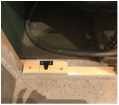
Bath panels are secured in place by hidden fixings. To access the waste pipe beneath the bath hold the bath panel firmly at the bottom with two hands and lift upwards to release it from the clips holding it in place. The panel will fall forward and can be lifted off and put to one side.


The wall mounted WC has a concealed cistern that is housed behind the tiles. If there is a problem with the flush mechanism, then the flush plate can be removed in order to get access to the working parts. It is not necessary to remove any of the tiles to gain access to this.
To remove the flush plate hold the plate securely at the bottom and gently push it upwards to release it from the holding mechanism. Then pull the flush plate towards you and remove.


